Carefree Greenery for Life on the Move

Pack your suitcase and exhale: we’re spotlighting the best low-care houseplants for frequent travelers, with forgiving varieties, simple routines, and clever tools that keep foliage thriving while you chase flights. Expect realistic care windows, resilient choices, and set-and-forget strategies that protect your plants, your time, and your peace of mind.

Resilient Companions That Keep Their Cool Between Flights

Choose plants that welcome you home with fresh growth instead of wilted drama. These forgiving companions tolerate longer gaps between watering, variable light, and the occasional care mishap. They are patient, durable, and visually striking, making them perfect allies for people who love both travel and greenery without complicated routines.

01

ZZ Plant: Glossy, Unbothered, Reliably Hands-Off

Zamioculcas zamiifolia stores moisture in thick rhizomes, shrugging off skipped waterings for weeks. It tolerates low light, resists dust, and looks polished even after long absences. Water deeply, then ignore; a bright spot speeds growth, yet this survivor remains elegant in shaded corners that many plants dislike.

02

Snake Plant: Architectural Leaves With Weekend-Warrior Energy

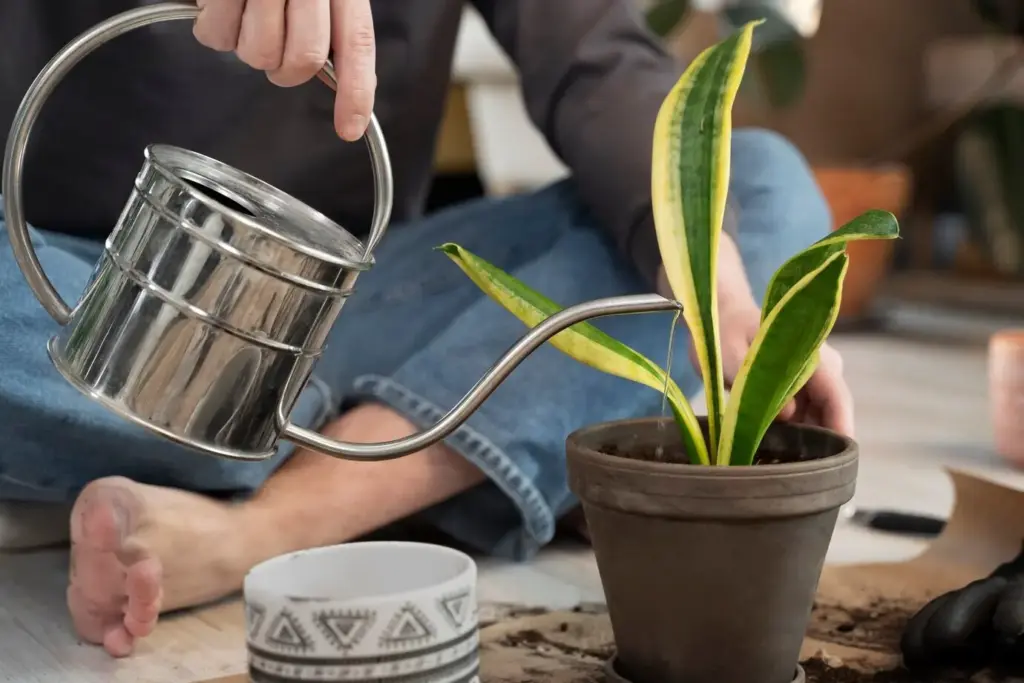
Dracaena trifasciata (formerly Sansevieria) tolerates drought, dry air, and forgetful schedules. Water monthly or when the soil feels bone-dry, avoiding soggy roots. Upright leaves add sculptural impact in bedrooms, offices, and hallways, matching minimalist interiors while quietly thriving under indirect or even moderately low light conditions.

03

Cast-Iron Plant: The Slow-Motion Champion of Neglect

Aspidistra elatior grows deliberately, refusing drama when you’re away. It accepts shade, inconsistent watering, and cooler rooms without complaint. Give it a sturdy pot, occasional dusting, and rare feeding. Its classic, deep-green leaves look refined year-round, welcoming you back with stoic calm after demanding travel stretches.

Light That Works Even When You’re Not Home

Your apartment’s light shifts throughout the seasons, but your routine doesn’t have to. Embrace placements that buffer variability, use reflective surfaces to borrow brightness, and lean on timers when necessary. We’ll design a lighting approach that respects plants’ needs while protecting your freedom to be away confidently.

North-Facing Ease and the Art of Indirect Brightness

North windows deliver gentle, consistent illumination many forgiving plants adore. Place ZZ plants, snake plants, and pothos a step or two from the glass to avoid drafts. To amplify brightness, angle a light-colored wall nearby, letting it bounce soft daylight deeper into the room without scorching leaves.

Calming Strong Sun With Sheer Curtains and Distance

Harsh afternoon rays can crisp foliage when caretakers are absent. A simple sheer curtain transforms glare into usable light, especially for pothos and philodendrons. Add distance from the window, rotate pots monthly, and consider lightweight, reflective saucers beneath to diffuse light gently while preventing heat buildup.

Smart LED Timers for Predictable Photoperiods
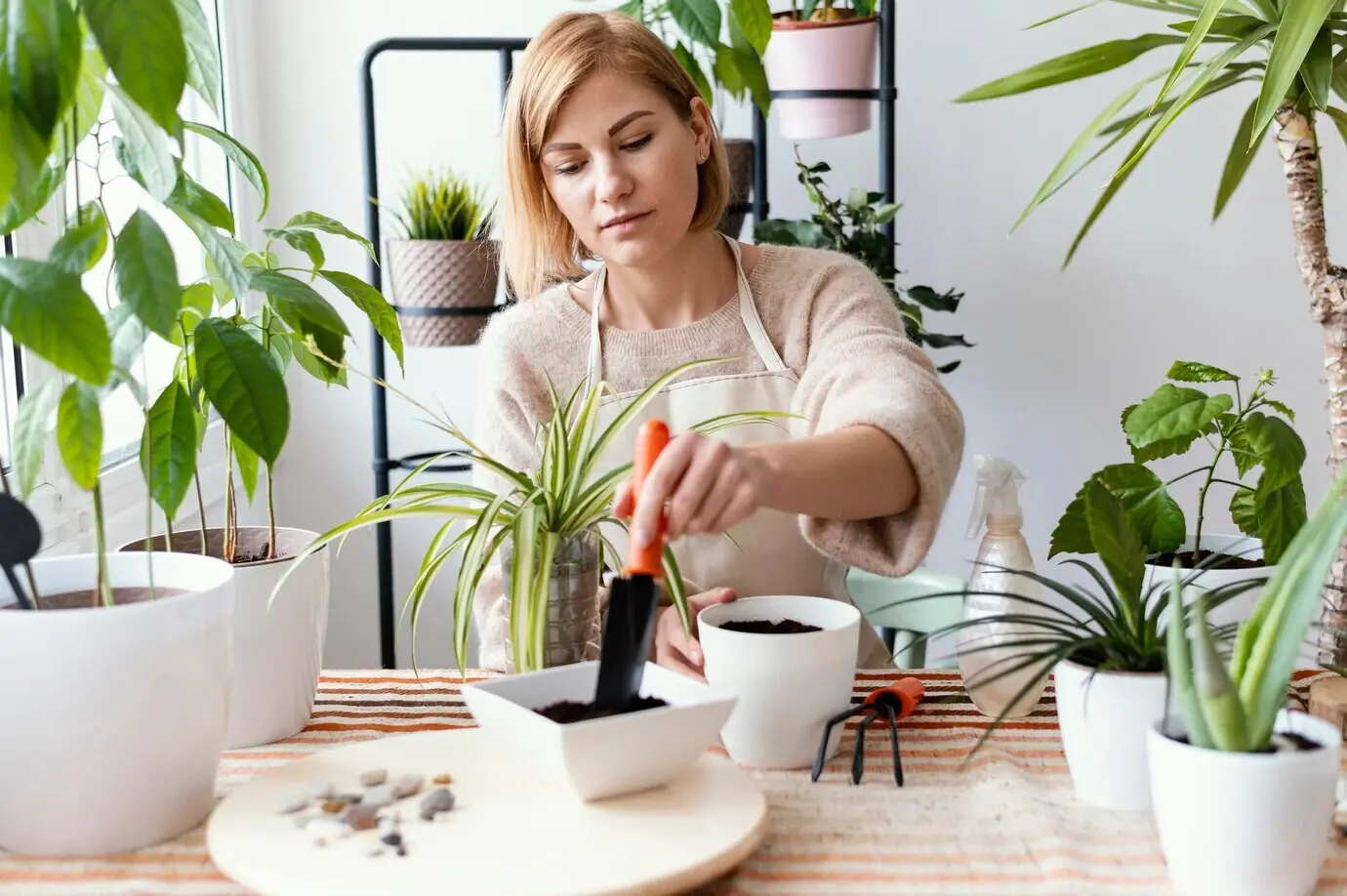
Compact LED panels on reliable timers give consistent light even through winter travel. Aim for balanced cool-and-warm-spectrum bulbs, set between eight and ten hours for tolerant foliage. Timers prevent power-hungry mistakes, and elevated fixtures reduce pet interference, ensuring steady growth during extended trips without micromanagement or daily tinkering.

Self-Watering Planters With Wicking Reservoirs
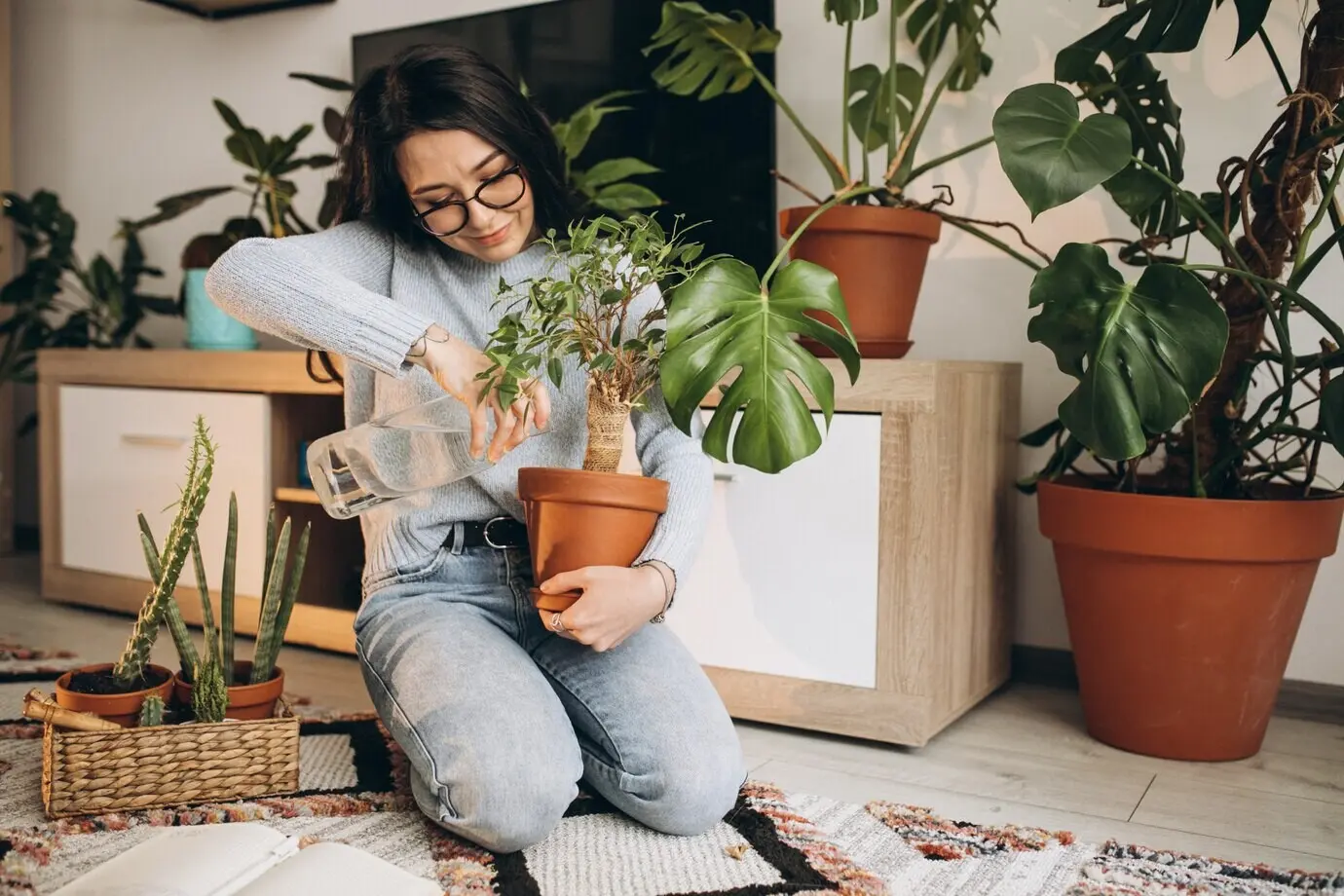
A reservoir base feeds roots through capillary action, keeping soil calmly moist rather than drenched. Choose models with breathable sides and visible indicators. Pre-soak wicks, saturate the mix once, then let the system stabilize. Ideal for pothos and peace lilies, less so for true succulents that demand drier intervals.

Capillary Mats and DIY Wick Lines for Multiple Pots
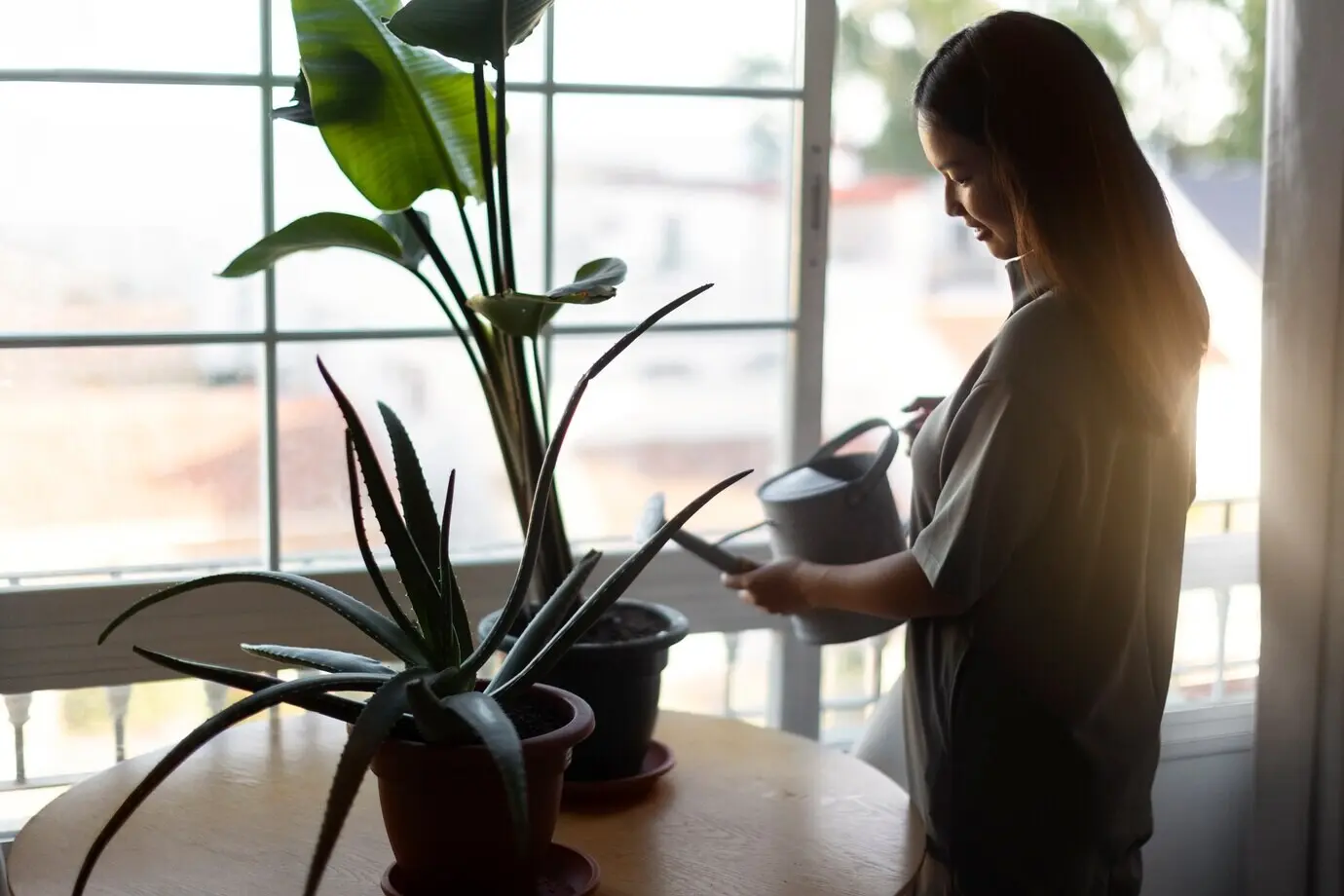
Group compatible plants on a water-absorbent mat connected to a shallow reservoir. Each pot sips as needed, reducing overwatering risk. Test for several days before travel, noting weight changes. Cotton or nylon wicks bridge gaps to nearby containers, providing quiet, dependable hydration across a tidy, space-saving bench.

Clay Ollas and Slow-Release Globes, Used Wisely

Unglazed clay ollas release moisture gradually right where roots need it. Watering globes offer similar drip benefits but require proper soil penetration and angle. Avoid waterlogging by pairing with airy mixes. Great for tropical foliage; reserve extreme dryness for succulents that prefer infrequent, thorough soak-and-dry cycles.

Potting Mix, Containers, and Growth You Can Control

A forgiving setup starts with the right foundation. Choose blends that dry predictably, containers that match your watering rhythm, and feeding approaches that support steady, compact growth. Fewer surprises mean calmer care between trips and refreshed confidence each time you return home to thriving plants.

Soil Blends That Breathe and Dry Evenly

Combine high-quality potting mix with chunky perlite, bark, and a pinch of horticultural charcoal. This structure resists compaction, aerates roots, and sheds excess water quickly. ZZ, snake plant, and pothos appreciate the balance, reducing rot risk during absences while keeping hydration available through capillary action.

Choosing Pot Size and Material for Your Schedule

Terracotta wicks moisture from edges, helpful for heavy-handed watering. Plastic retains water longer, useful for travelers who leave frequently. Size pots so roots gently fill the space; overly large containers hold moisture dangerously. Ensure drainage holes, and consider cachepots to catch drips without smothering roots or airflow.
Quarantine New Arrivals and Inspect Before You Fly

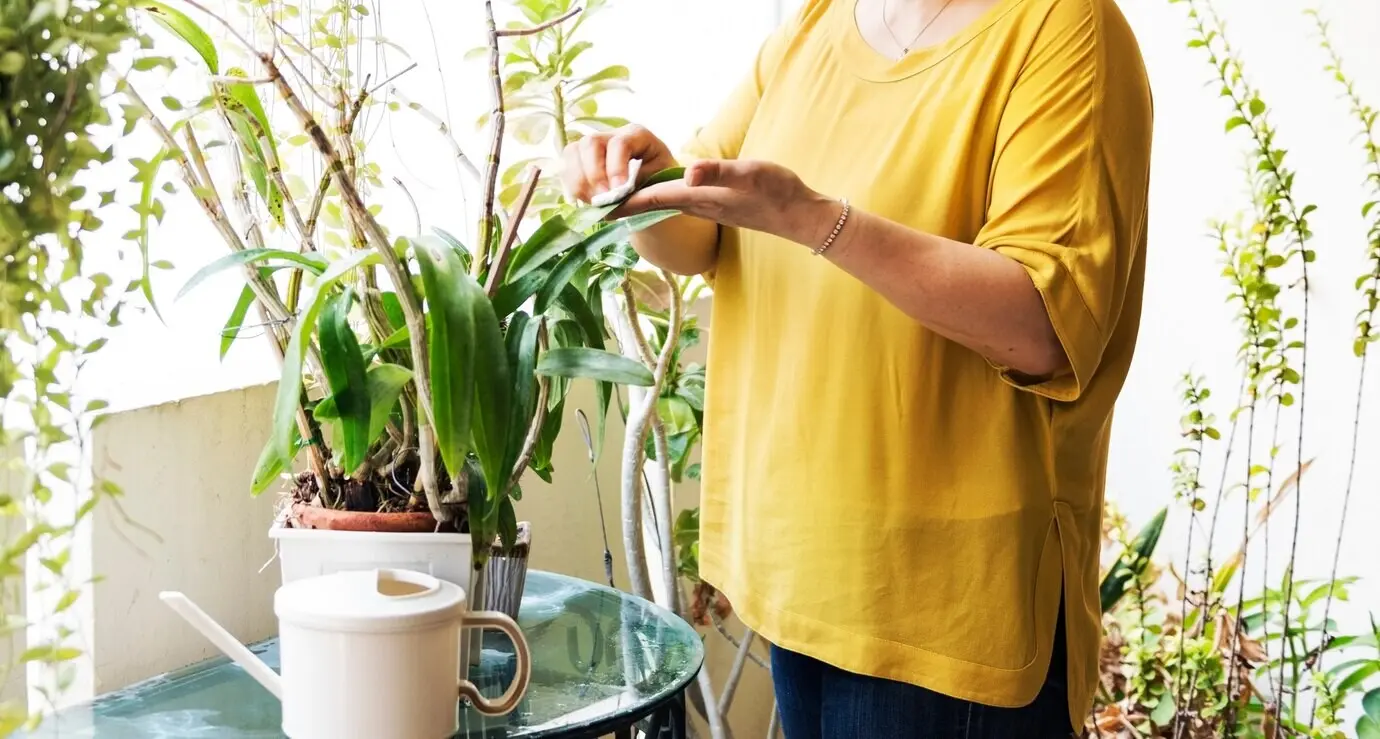
Keep new plants separate for at least two weeks, checking leaf undersides and nodes for pests. Wipe leaves with a damp cloth, and refresh topsoil if suspicious. A brief isolation period prevents hitchhikers from spreading while you’re gone, saving you from post-trip headaches and stressful interventions.

Sticky Traps, Airflow, and Consistent Hygiene

Yellow sticky cards quietly track fungus gnats and flying pests. A small fan encourages airflow, discouraging mildew. Remove dead leaves promptly, clean saucers, and rinse watering gear. These habits require little effort yet create a stable microclimate that resists problems during weeks when no one is present.

Triage After a Long Absence Without Panic
Assess soil moisture, leaf elasticity, and root health before watering aggressively. Prune crisp tips, rehydrate slowly, and adjust placement. Most forgiving plants bounce back after one or two careful waterings. Note what worked, tweak your setup, and enjoy the satisfying recovery rather than fearing permanent setbacks.

Designing a Low-Maintenance Jungle That Fits Your Space

Create an arrangement that is beautiful and practical, with groupings that share similar needs and placements that stabilize light and humidity. Simple design choices double as care solutions, allowing striking displays that also minimize chores while you’re discovering new destinations or tackling demanding work trips.

Real-World Wins: Stories, Lessons, and Your Voice

Practical successes often begin with small experiments. Hear from travelers who returned to greener, happier homes, then share your strategies. Community wisdom improves results for everyone, helping us refine light, water, and tools into a reliable, portable routine that fits ambitious schedules.

Twelve Weeks Away, and the ZZ Still Smiled

A reader left a medium ZZ in a bright hallway with a self-watering pot and airy mix. After three months abroad, new shoots waited patiently. The secret was restraint: deep watering before departure and trust in the reservoir’s slow, consistent delivery system.

The Pothos That Learned to Climb Without Me

Another traveler anchored pothos to a moss-free trellis, using a capillary mat connected to a shallow container. They returned to longer vines and broader leaves, crediting a gentle LED timer and careful distance from warm appliances that might have accelerated evaporation during their absence.

Your Turn: Tips, Photos, and Questions Welcome

Tell us which low-care houseplants have thrived through your longest trips, and what setups worked best. Post a photo, describe your lighting, and share watering intervals. Ask questions, trade ideas, and subscribe for monthly checklists that keep journeys adventurous and plant care pleasantly effortless.
Tinalizatovipilivomufa
Privacy Overview

This website uses cookies so that we can provide you with the best user experience possible. Cookie information is stored in your browser and performs functions such as recognising you when you return to our website and helping our team to understand which sections of the website you find most interesting and useful.