
Travel Without Worry: Indoor Plants That Thrive In Your Absence
We dive into travel-proof indoor plant care, sharing reliable, low-stress strategies that keep beloved greenery happy while you explore the world. Learn to prepare watering schedules, automate light, stabilize humidity, and revive plants gracefully after returning. Expect practical tips, warm anecdotes, and confidence-building habits that fit weekend getaways, business trips, or multi-week adventures without turning your home into a greenhouse laboratory.
Plan Before You Pack
A calm departure starts with understanding each plant’s rhythms, light preferences, and recent growth. Build a simple checklist that accounts for watering windows, pot size, soil type, and microclimate. Run a rehearsal weekend to validate your setup. A thoughtful plan prevents last-minute panic, reduces overwatering mistakes, and helps you ask for the right kind of help. Everything becomes easier when expectations are clear and routines are tested before you lock the door.
Hands-Off Hydration That Works
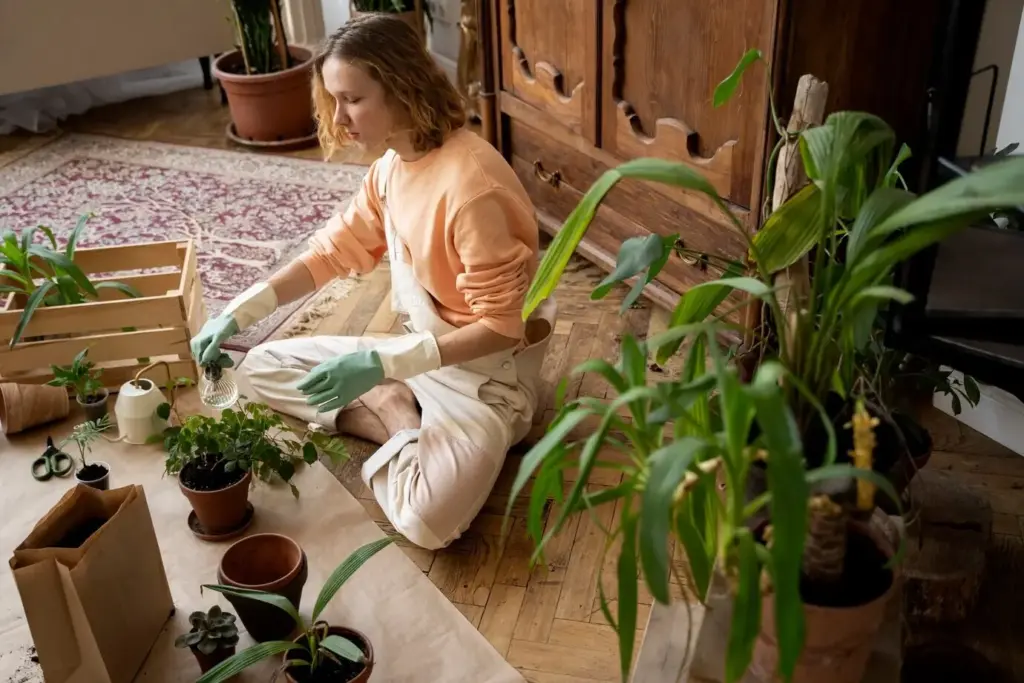
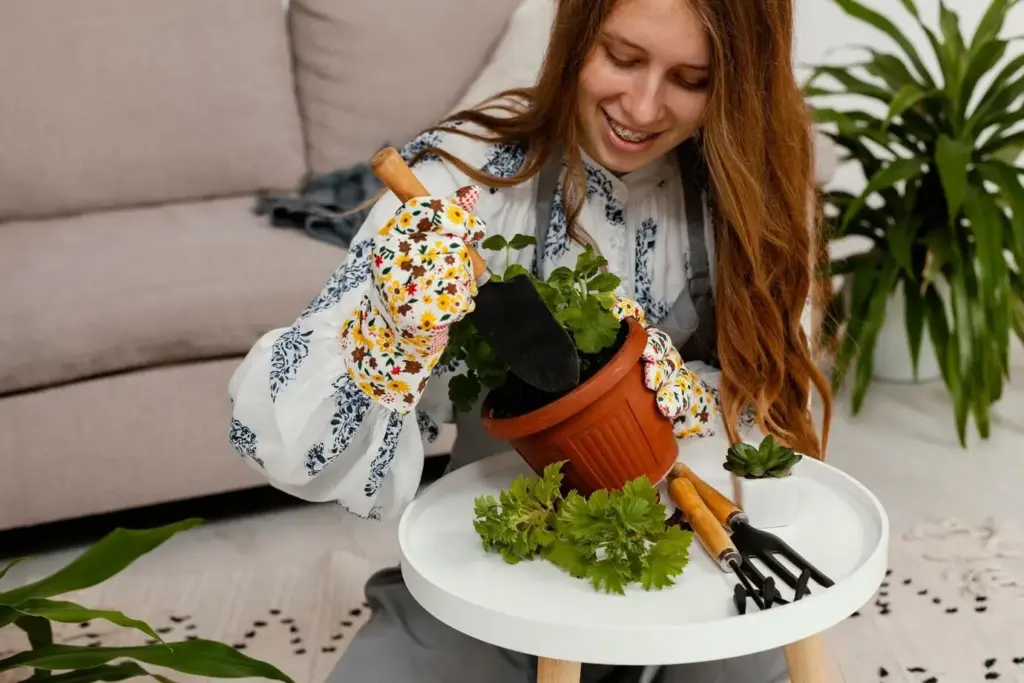
Automated moisture solutions are surprisingly simple and budget-friendly. Wicks, capillary mats, and self-watering planters deliver steady hydration without drowning roots. The secret is testing before traveling, then labeling everything clearly. Avoid guesswork: calibrate flow, check for leaks, and place trays safely. Combine these methods with modest pruning and strategic placement to stretch moisture further. With even a basic setup, a ten-day trip can feel effortless, and two weeks becomes manageable for most hardy collections.
Plants That Forgive Absence
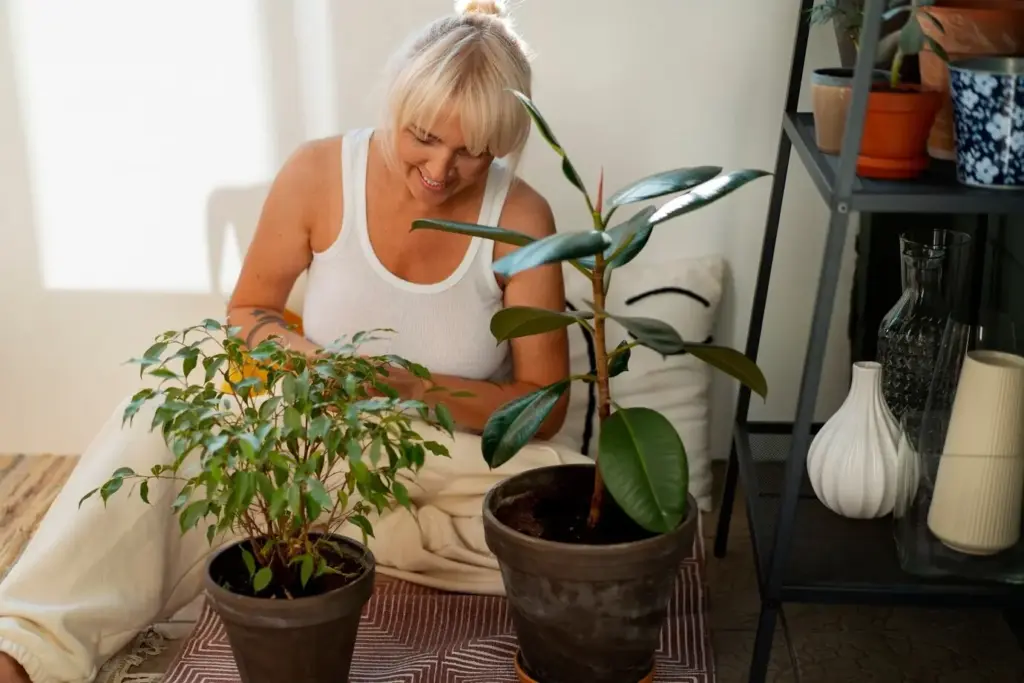
Choosing resilient species transforms travel planning from stressful to serene. Some plants naturally tolerate missed waterings and fluctuating light. Pair those strengths with the right potting mix and container size, and you’ll create a lineup that consistently welcomes you home with fresh growth rather than crispy leaves. Mix textures and forms so the collection looks alive and curated, even when growth slows. Resilience is a design principle, a lifestyle choice, and genuinely beautiful to live with.
Set-and-Forget Light and Air
Light and airflow shape plant health as much as water. Use smart plugs, timers, and sheer curtains to smooth daily fluctuations. Keep brightness consistent, not extreme. Aim for steady temperatures by shielding from drafts and heat spikes. If using grow lights, choose full-spectrum options and measure distance carefully to avoid scalding leaves. Humidity can be supported with grouped plants or small trays. Together, these subtle controls provide predictable comfort, which plants appreciate far more than heroic interventions.
Set grow lights to 10–12 hours for most tropicals, adjusting slightly for seasonal changes. Start the schedule a week early to monitor response. Use reliable smart plugs with surge protection, and name devices clearly for easy remote checks. Simplicity beats complexity: fewer scenes, fewer automations, more consistency. If your home faces sunny windows, balance natural light with reduced artificial intensity. The outcome is even, trustworthy illumination that keeps leaves poised and growth steady while you travel.
Keep rooms between 18–24°C (65–75°F) and avoid drastic swings. Close vents that blast hot or cold air directly at foliage, and never aim a humidifier at leaves. Instead, use pebble trays or grouped arrangements to moderate moisture naturally. Consider a small sensor that logs temperature and humidity for peace of mind. Avoid sealed rooms where stale air encourages fungal issues. Consistent, moderated conditions quietly protect plants, turning your home into a supportive, self-regulating habitat throughout your absence.
People, Notes, and Peace of Mind
A friendly helper can make longer trips effortless, but only if instructions are crystal-clear and mercifully simple. Provide short checklists, clear labeling, and realistic boundaries: only water designated plants, only on certain dates, only with measured volumes. Offer gratitude and a tiny reward. Invite a quick text if something looks unusual. The easier you make the task, the more likely your helper will succeed, and your plants will greet you with calm, bright leaves.
Create a One-Page Watering Map
Draw a simple floor plan with plant locations, names, and watering volumes in milliliters or ounces. Include photos of two or three typical leaf states—well-watered, thirsty, overwatered—so a helper can compare quickly. Tape the map inside a cabinet, and leave a measured watering can labeled with fill lines. The combination of pictures, numbers, and a clear route cuts confusion, shortens visits, and prevents guesswork that often leads to soggy soil or parched roots.
Teach, Test, and Thank
Walk your helper through a short rehearsal two days before departure. Let them feel pot weight, notice moisture at knuckle depth, and practice pouring slowly until slight runoff appears. Then thank them with a small gift or a cutting. People care more when they feel prepared and appreciated. These few minutes of training dramatically reduce mistakes and build trust, so you can enjoy your trip knowing collaboration, not luck, is keeping your plants thriving.
Trusted Helpers and Services
If friends are busy, consider a local plant-sitting service or pair plant care with a pet sitter’s visit. Share a door code securely, set camera-free zones to respect privacy, and leave emergency contacts. Be transparent about any rare or sensitive plants that need extra caution. Limit tasks to essentials only. A reliable helper, combined with automation, forms a reassuring safety net that turns even month-long absences from stressful gambles into smooth, predictable routines.
After the Trip: Gentle Revival
Reentry is where patience pays off. Resist the urge to flood every pot on sight. Instead, assess leaves, stems, soil moisture, and root health, then respond proportionately. Rehydrate gradually, prune lightly, and clean leaves to restore shine. Avoid fertilizing immediately if plants are stressed; wait until growth picks up. Take notes on what worked, celebrate small wins, and update your setup for next time. With gentle hands, plants rebound quickly, often rewarding you with fresh growth spurts.
First Hour Triage
Open blinds, let the room breathe, and walk through slowly with a calm eye. Identify which plants truly need water by weight and soil feel, not by imagination. Separate any with pests or suspicious spots. Snip a few yellowed leaves to reduce stress signals. Take photos to compare in a week. This deliberate, kind approach prevents overcorrection and helps you see what your travel plan nailed and what deserves a tiny tweak next time.
Rehydrate, Feed, and Repot Prudently
Bottom-water extremely dry pots to re-wet hydrophobic soil, then drain thoroughly. Hold fertilizer for a week or two, unless you see vigorous growth ready for a gentle, diluted feed. Repot only if pot-bound or waterlogged roots demand it; otherwise, stability is restorative. Replace any exhausted top layer with fresh mix, clean saucers, and reset timers. These measured steps revive plants without compounding stress, turning the first week back into a calm, successful reset.
Reflect and Share What Worked
Make a quick log: what stayed perky, what wilted, which devices excelled, and where instructions confused a helper. Set one small improvement goal before your next trip. Share successes and questions with fellow plant lovers, inviting tips in the comments or via email. Community wisdom transforms isolated experiments into dependable routines. Your reflections today become tomorrow’s easy wins, keeping both you and your leafy companions adventurous, resilient, and surprisingly relaxed whenever wanderlust calls again.

All Rights Reserved.