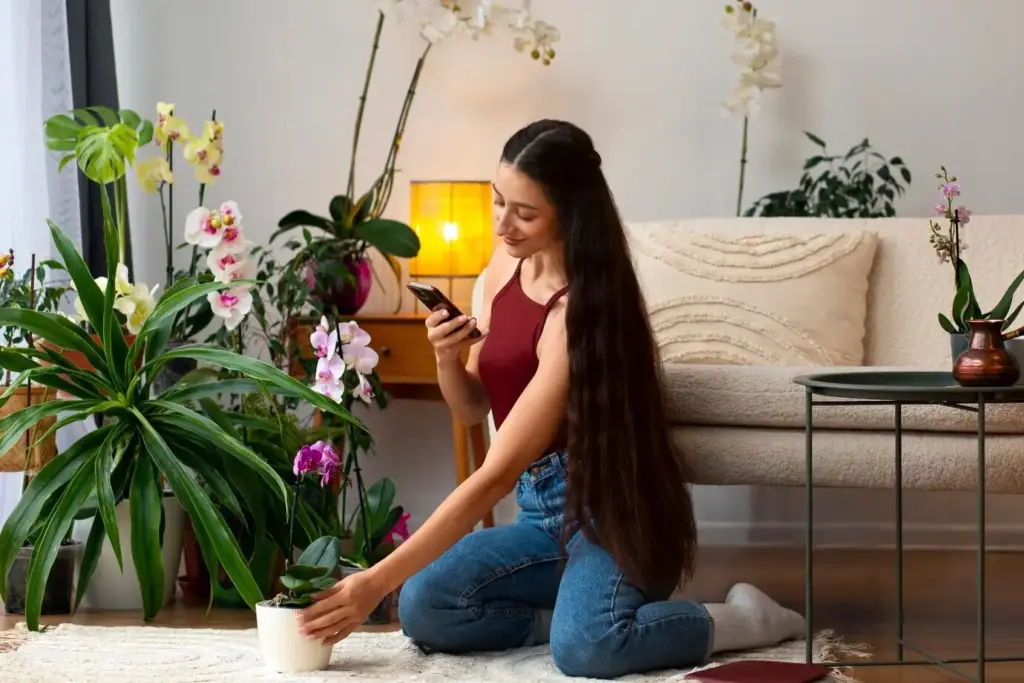
Grow Smarter from Anywhere

Today we dive into remote plant monitoring with smart sensors, grow lights, and timers, turning guesswork into calm, data‑guided care. From soil moisture whispers to light schedules shaped by DLI, we’ll show practical steps, warm anecdotes, and clear tools so your plants thrive while you’re away, and you feel connected from your phone.

Sensing the Invisible

Healthy leaves begin underground and in the air you barely notice. Smart sensors reveal moisture, temperature, humidity, conductivity, and light levels as a living conversation, not random snapshots. You gain confidence, spot patterns, and act gently before stress appears. A wilted basil I revived in minutes thanks to a timely alert still makes me smile.

Light Like a Pro

Spectrum Recipes Across Stages

Seedlings prefer gentle blue‑rich light that encourages sturdy stems and efficient leaf expansion. Vegetative growth often thrives with balanced white plus supplemental red, while flowering and fruiting respond to higher red ratios and brief far‑red cues. Document changes and outcomes, then refine schedules season by season until your results feel wonderfully repeatable.

Mapping PPFD for Even Coverage

Use a simple grid on your bench or tent floor, take readings at canopy height, and note hot and dim spots. Raise, lower, or angle fixtures, and add reflective surfaces to tame shadows. Overlapping footprints create uniformity, which stabilizes growth rates, evens watering needs, and reduces surprises when plants shift positions.

Efficiency, Heat, and Safety

Efficacy in micromoles per joule tells you how much photosynthesis you buy per watt. Efficient drivers and good heat sinks keep leaves comfortable and extend diode life. Use timers and relays with proper ratings, manage cable runs neatly, and never let power strips dangle where water might wander.

Timers, Schedules, and Rhythms

From Simple Plugs to Smart Relays

Mechanical timers still work, but smart outlets, Zigbee relays, and Wi‑Fi power bars add flexible schedules, sunrise fades, and remote overrides. Choose hardware with manual on‑device buttons for emergencies. Label everything, document loads in amps, and test failure states by unplugging routers so recovery behaviors are well understood.

Event‑Driven Irrigation Beats the Clock

Use soil moisture thresholds, minimum rest times, and seasonal caps so pumps run when roots need it, not because a minute hand says so. Prime lines, relieve pressure to avoid drips, and log volumes. You’ll conserve water, avoid root rot, and see steadier growth under varying weather and container sizes.

Coordinating Fans and CO2

Exhaust fans protect against heat spikes, yet they can waste enriched air if they run during lighting pauses. Use hysteresis and occupancy‑style delays to avoid rapid cycling. Stage fans, filter air, and sync dampers so leaves stay dry, temperatures even, and nutrients flow smoothly through the plant.

Picking the Right Radio

Consider walls, foliage, and distance. Zigbee and Thread excel for low power sensors indoors; Wi‑Fi handles dashboards and cameras; LoRa shines for greenhouses and gardens far from routers. Mind regional regulations, payload sizes, and duty cycles so messages arrive promptly without draining batteries or monopolizing shared spectrum.

Power Strategies that Last

Sleep deeply between readings, batch transmissions, and prefer interrupts for thresholds. Choose cells suited to temperature swings, like LiFePO4 for safety and cycles, or use mains with surge protection. Solar trickle plus a battery keeps sensors cheerful, while tidy conduits and drip loops protect connections from rain and pets.

Security Without Headaches

Keep devices updated, isolate IoT gear on a separate network, and use strong per‑device credentials. Prefer local MQTT with authentication, then bridge to cloud if you must. Encrypt dashboards, audit access, and rotate keys so comfort never relies on luck, and privacy remains yours alone.

Your First Dashboard

Start with a few essential panes: soil moisture with irrigation markers, temperature and humidity with VPD, and light showing PPFD and DLI. Choose consistent units, friendly colors, and mobile‑friendly layouts. Over time, add derived metrics and comparisons so decisions flow naturally during morning coffee or evening wind‑down.

Alerting That Actually Helps

Set quiet hours, escalation paths, and dampening so a single blip never wakes you. Combine conditions—like low moisture plus rising temperature—to prioritize urgency. Test notifications monthly, label contacts, and rehearse manual overrides. You’ll respond calmly, fix issues quickly, and trust your setup even when traveling far from home.

A Balcony Garden Transformed

A tiny balcony can become a nourishing sanctuary when tools work quietly in the background. Sensors guide every decision, lights extend short days, and timers handle chores. During a heatwave, remote checks and alerts reduce stress. The next meal tastes brighter because care was consistent, not exhausting or guess‑dependent.
Tinalizatovipilivomufa
Privacy Overview

This website uses cookies so that we can provide you with the best user experience possible. Cookie information is stored in your browser and performs functions such as recognising you when you return to our website and helping our team to understand which sections of the website you find most interesting and useful.