
Home Again, Green Again
First Look: Reading the Room and the Leaves

Crisp Tips, Curled Edges, Drooping Stems
Soil, Roots, and the Finger Test
Water With Wisdom, Not Panic
The Deep-Soak Reset
Place the nursery pot in a basin, allowing water to wick upward through drainage holes until the top turns uniformly dark. Add a pinch of room‑temperature water atop to finish channels. Lift, drain thoroughly, and never let pots sit submerged beyond thirty minutes to prevent suffocated, browning roots.
Slow Sips and Staged Recovery
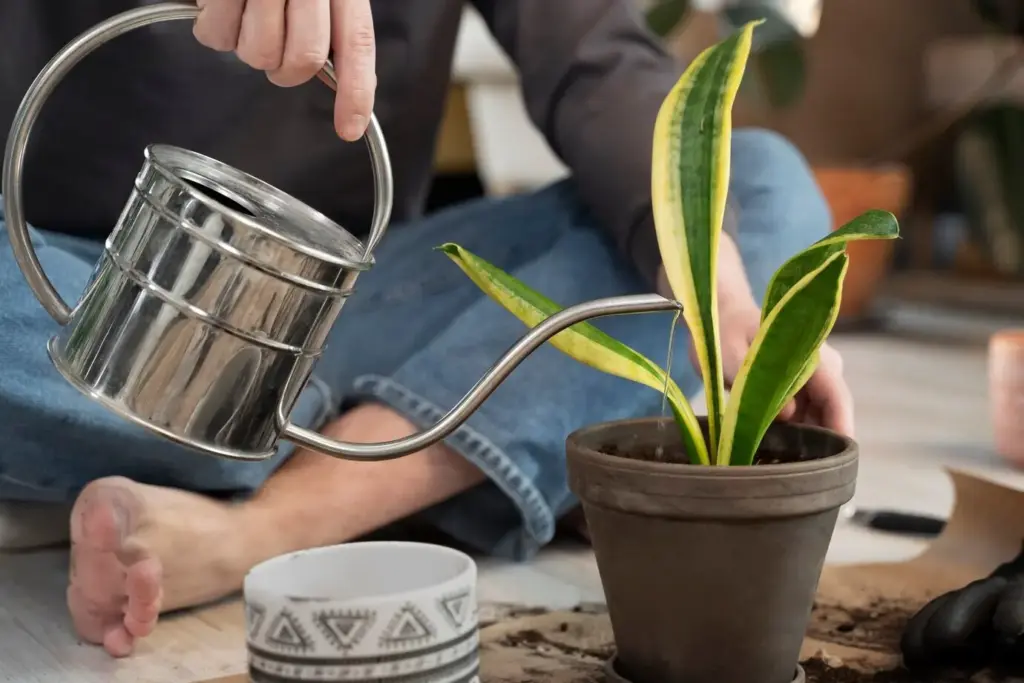
For severely wilted plants, split hydration into two or three sessions across a day. This avoids rupturing fragile cells and runoff that never reaches the core. Use a syringe or spouted bottle near the stem base, waiting for gradual perkiness before offering the next measured drink.
Light Without Shock
Ease Back Into Brighter Windows
Start with mornings on a sill that receives filtered rays, then extend exposure by one hour every day. Use sheer curtains as a temporary buffer. Watch for leaf alignment toward the light; even, gentle tracking signals renewed confidence without the stress stripes of overexposure.
Rotate, Observe, Adjust
Quarter turns every few days balance growth and reveal which side thirsted most. Combine rotation with notes on droop recovery speed and color gain. These micro-observations help schedule waterings and refine placement, building a calm routine that prevents another round of post-absence stress.
Soil, Air, and Breathable Roots
Fluff, Fork, and Refresh the Top Layer
Use a fork or chopstick to aerate the top few centimeters, breaking crusts that repel water. Remove a cup of exhausted mix and replace with fresh, porous medium. This small change improves wicking, reduces fungus gnat appeal, and lets your next soak reach thirsty cores.
When Emergency Repotting Is the Right Move
If soil smells sour, roots look brown and mushy, or water sheets off the sides, act decisively. Trim damaged roots with sterilized shears, pot into slightly larger, airy mix, and water lightly. Recovery takes weeks, but new leaf tips and firm petioles will return.
Amendments That Rehydrate Without Waterlogging
Blend in coco coir, fine bark, or perlite to renew porosity and capillary action. A drop of biodegradable wetting agent can rebalance hydrophobic particles after drought. Avoid heavy compost right now; the goal is oxygen-rich structure that welcomes water but never traps it.
Leaves Need Love Too
Smart Pruning for Faster Bounce-Back
Remove fully crisped leaves and yellowed sections, leaving any green tissue that can still feed the plant. Sterilize blades between cuts. A tidy silhouette reduces evaporative demand, redirects energy to buds, and psychologically reassures you that recovery is underway, one deliberate snip at a time.
Dust, Mites, and the Gentle Shower Cure
Dust blocks light and invites spider mites, especially after dry weeks. Rinse leaves with lukewarm water, supporting fronds with your palm. Let water run off freely, then dry where air circulates. A mild soap solution can help if pests persist, but always test one leaf first.
Tonics: Kelp, Aloe, and a Pinch of Patience
A weak seaweed extract, aloe water, or humic supplement can nudge root growth and stress tolerance, but the true medicine is consistent care. Apply lightly after rehydration, not before. Document responses for each species, building your personalized, humble guide to patient plant rehabilitation.
Next Trip Insurance



Different Plants, Different Comebacks
Succulents and Cacti: Less Is Often More
Check for pliable, wrinkled skin rather than droop, then water sparingly and wait. Roots may have withdrawn during drought and need time to reactivate. Provide bright, indirect light and airflow. Overcompensating with heavy soaking risks splits, rot, and setbacks that erase otherwise resilient instincts.
Prayer Plants, Calatheas, and Humidity Lovers
Thin leaves lose moisture fast and protest with edges that crisp dramatically. Rehydrate the soil gradually, lift humidity, and keep water chlorine‑free if possible. Gentle light prevents bleaching. Expect slow improvement, then celebratory evening leaf movements as confidence returns and those patterned blades finally relax again.
Orchids, Epiphytes, and Bark-Based Setups
These roots breathe first, drink second. Soak the bark for several minutes, then let excess drain completely. Mist aerial roots lightly in the morning only. Bright shade suits recovery. New root tips with green caps signal momentum; blooms may wait, but vitality arrives beautifully ahead of schedule.
All Rights Reserved.