Make Plant Care Foolproof for Helpful Friends

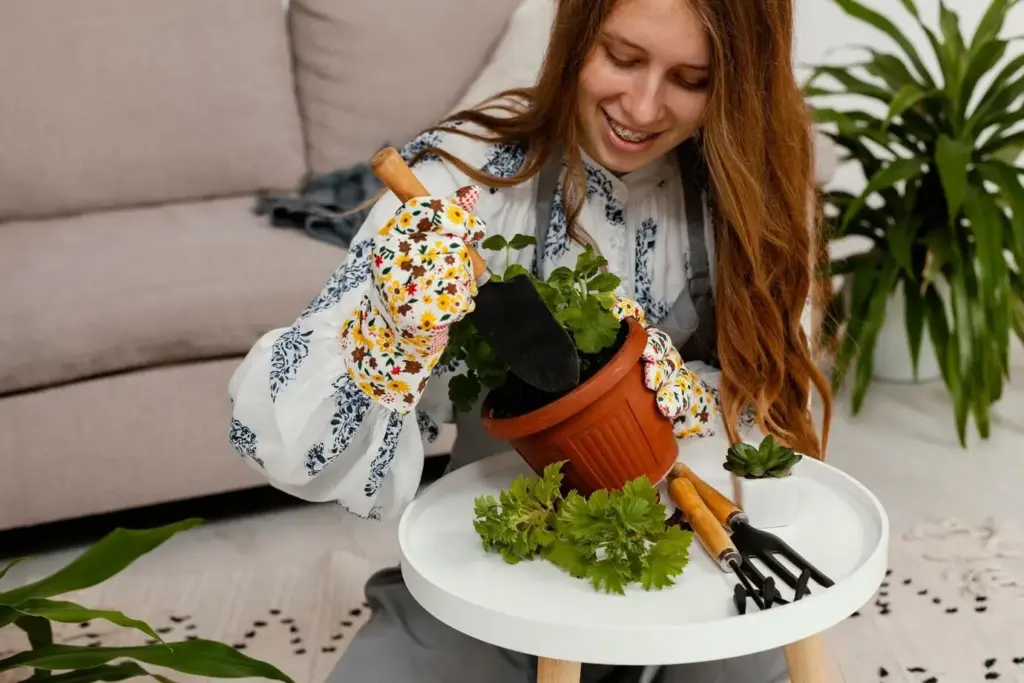
Today we explore creating clear plant-sitting instructions for friends and neighbors, turning your plant corner into an easy, confidence-building routine for any helper. With simple checklists, clear measurements, and gentle guidance, your green companions stay happy, and your sitters feel appreciated, capable, and stress-free while you are away. Share your checklist templates, comment with stories, and subscribe for future guides.

Know Who's Caring and What They Need

Not every helper speaks the same plant language, so start by understanding their comfort level, schedule, and access. A five-minute walkthrough can prevent overwatering mishaps and forgotten curtains. Share your priorities, point out quirks, and agree on a simple routine they can follow without guessing or worry.

Build a Simple, Complete Plant Inventory

Create a one-page map of your home and list each plant with a plain-language nickname, photo, and location. Include quick care notes, priority markers, and emergency flags. A neat inventory turns a jungle of leaves into an approachable route your sitter can confidently follow.

Watering Made Crystal Clear

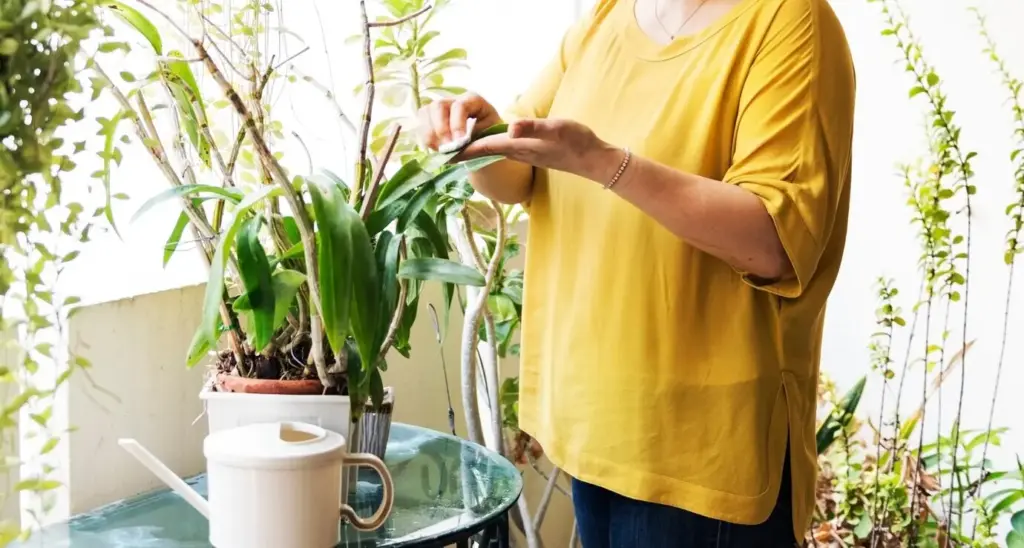
Overwatering is the most common cause of houseplant trouble, yet it is easy to avoid with precise, friendly instructions. Provide frequency windows, exact volumes, and simple feel checks. Emphasize when to skip watering, and you will prevent soggy soil, root rot, and guilt.

Frequency Without Guesswork

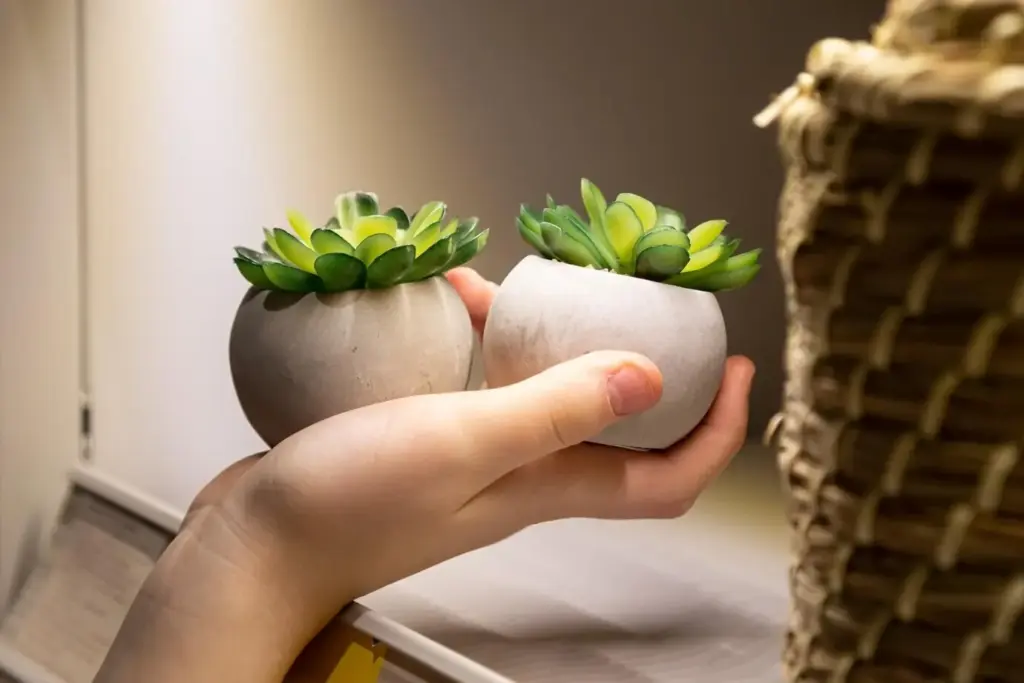
Group plants by cadence: daily mist for humidity lovers, weekly watering for leafy friends, biweekly or monthly for succulents. Share a simple calendar with checkboxes. If weather turns cooler or cloudier, advise adding a buffer day before watering to prevent cumulative oversaturation.

How Much, Exactly

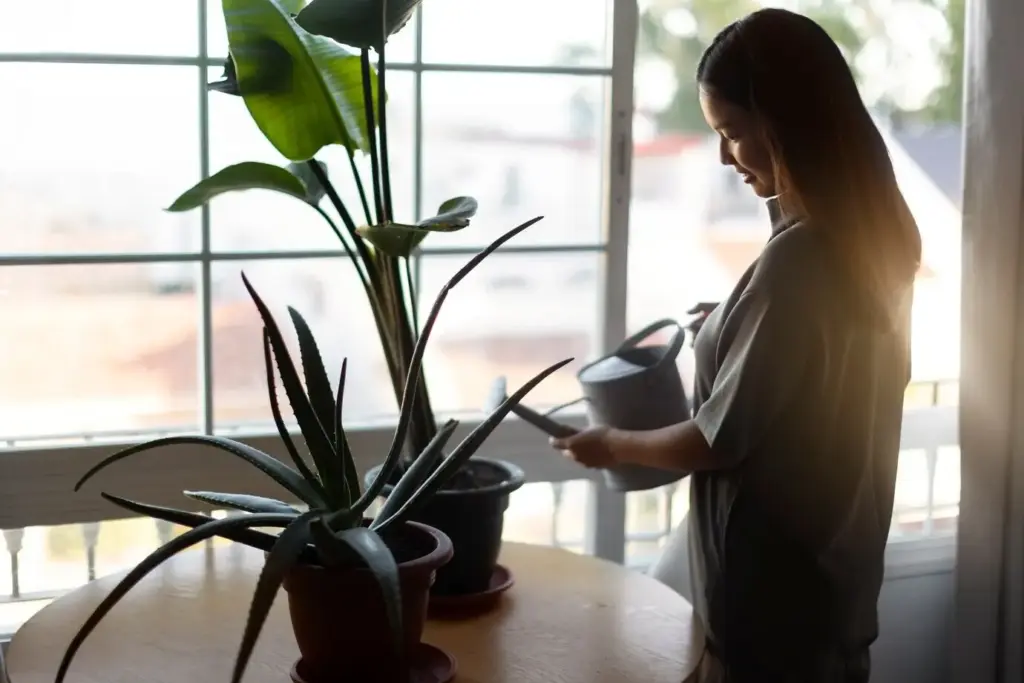
Specify measured amounts using the same container every time: half a small watering can, one espresso cup, or 200 milliliters. Include overflow warnings, like stopping when water appears in the saucer. Concrete amounts and stopping points calm nerves and prevent accidental flooding or dryness.

Light, Air, and Placement That Prevent Surprises

Sun Paths and Shade Clues

Explain when direct sun hits each window and how long it lasts. Suggest pulling sheer curtains at midday for delicate leaves. Leave simple stick-on arrows on shelves showing where pots usually align, so helpers can tidy without accidentally shifting plants into harmful beams.

Windows, Drafts, and Heat

Flag vents, radiators, and doorways that create sudden temperature swings. Note which plants tolerate a breeze and which hate it. Mention candle or incense habits, too. A short reminder prevents crispy edges, fungus gnats from stale trays, and stress caused by abrupt nighttime chills.

Rotations and Orientation

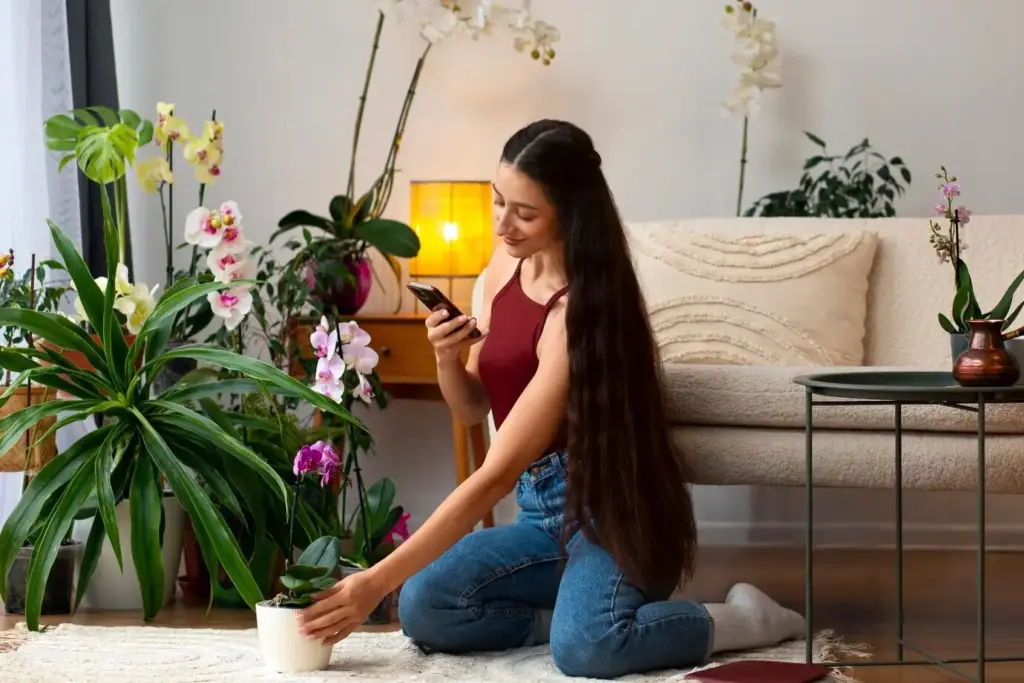
If you rotate certain plants weekly to keep growth even, show the direction with a small mark on the pot. Explain that skipping a rotation for a week is fine. Consistency helps, but strictness is unnecessary; gentle guidance keeps everything growing balanced and calm.

Special Cases, Red Flags, and Safety Nets

Some plants have odd habits or sudden needs. Briefly note exceptions, early distress signs, and what to do first. Empower sitters to pause, snap a photo, and text you. Clear fallback steps protect valuable specimens and keep helpers relaxed when surprises appear.

Communication, Handover, and Happy Return

Clarity thrives when people feel connected. Share contact details, time windows, and a simple thank-you plan. Arrange a handover with keys, codes, and watering can spots. After your trip, celebrate with a small gift and invite feedback to improve instructions for next time.
Tinalizatovipilivomufa
Privacy Overview

This website uses cookies so that we can provide you with the best user experience possible. Cookie information is stored in your browser and performs functions such as recognising you when you return to our website and helping our team to understand which sections of the website you find most interesting and useful.