
Travel Calmly, Return to Green

Today we dive into pre‑trip plant care checklists designed for every departure, from quick weekend getaways to ambitious month‑long vacations. You’ll learn practical, time‑boxed steps, proven moisture strategies, and traveler‑tested routines that keep leaves glossy and soil balanced while you’re gone. We blend science with real stories, demystify tools, and help you plan confidently. Ask questions, bookmark this guide, and share your wins to strengthen our growing community.

Right Before You Lock the Door

Watering Plans That Don’t Backfire

Well‑intentioned overwatering causes more travel‑time casualties than drought. Focus on saturation with complete drainage, then maintain a stable environment that slows loss rather than dumping extra water “just in case.” Match container size to root mass, test moisture at multiple depths, and practice your method a week early. Last summer, a reader’s ficus beat a surprise heat wave thanks to a humble capillary mat and a shaded window shift. Share what tools actually worked for you—wicks, mats, spikes, or smart drippers.
Bottom‑water root‑bound pots until the surface feels uniformly cool, then lift and let excess run off completely. For large planters, water in rounds, circling slowly so channels close and soil hydrates evenly. Log how long saturation lasts in your home, then adjust timing before departure. Your notes will beat guesswork every time, especially across seasons.
Cotton cord wicks and capillary felt can bridge a gap of several days to two weeks when sized correctly. Anchor one end deep in the root zone, the other in a reservoir slightly below pot height. Test flow the weekend before. If leaves droop, your wick is too thin; if saucers flood, reduce reservoir height. Report back with your tweaks.
Battery moisture probes, Wi‑Fi plugs, and drip timers can be great allies or chaotic saboteurs. Pair hardware you already know with a simple program, then simulate a trip while you are home. Photo‑document setups for your helper. Disable complex automations that could loop. Reliability beats novelty when your jade or fern depends on it, so please share honest reviews.

Light, Temperature, and Humidity Tweaks

Move and Group for Gentle Light

East light is merciful while you’re gone. Slide sun‑hungry species slightly inward and rotate delicate leaves away from noon beams. Grouping plants reduces leaf‑to‑air vapor pressure, slowing thirst. Consider sheer curtains for hot spells. Quick smartphone lux checks before leaving create repeatable benchmarks, and your shared numbers help fellow travelers tune light without guesswork or risk.

Cooler Rooms, Calmer Plants

Lowering temperature a few degrees slows transpiration and growth, buying time safely. Close a vent near finicky calatheas, and choose the naturally coolest room for tropicals during absence. Avoid cold shocks from drafty panes. Log day‑night differences using a cheap sensor. When you return, warm the room gradually. Comment with your comfortable range so readers can compare homes.

Humidity Hacks That Actually Help

Pebble trays raise local humidity without wet feet when kept just below pot bases. Cluster plants, but allow air to pass so fungus cannot party. Skip constant ultrasonic foggers unless monitored, and sanitize reservoirs. A quick shower before departure cleans dust and supports gas exchange. Share your before‑and‑after leaf photos to guide others setting realistic expectations.

Soil, Feeding, and Health Checks

The days before departure are not for bold experiments. Avoid fresh compost blends, heavy feedings, or root‑disturbing repots, because each triggers unpredictable thirst. Instead, stabilize. Inspect undersides for pests, remove yellow leaves, and wipe sticky residue. Treat early with gentle options. Write down products and dates so a helper can continue safely. Add your cautionary tales below.

Different Plants, Different Plans

One rule does not fit every leaf. Succulents shrug off long absences, tropicals plead for stable humidity, and herbs grow hungry under weak light. Use families and habits to build specific checklists rather than guessing. Prioritize the sensitive, simplify care for the resilient, and write two lines of instruction per pot. Sharing your plant list helps everyone craft smarter routines.
These desert natives want bright light and breathable soil, not goodbye gulps. Water thoroughly weeks before departure, then let them dry. Move slightly back from magnifying glass windows to prevent scorch. Avoid tightly sealed cloches. On return, inspect for stretch rather than wilt. Comment with your longest successful dry spell for inspiration and realistic boundaries.
Broad leaves lose moisture fast and show every complaint. Keep soil evenly moist but never sodden, boost humidity with grouped company, and shade away from punishing beams. A wick plus pebble tray buys time without drama. Draft a note warning helpers against misting to runoff. Report any leaf‑edge improvements after adjustments so others can replicate your success.

People Help Plants: Communication That Works

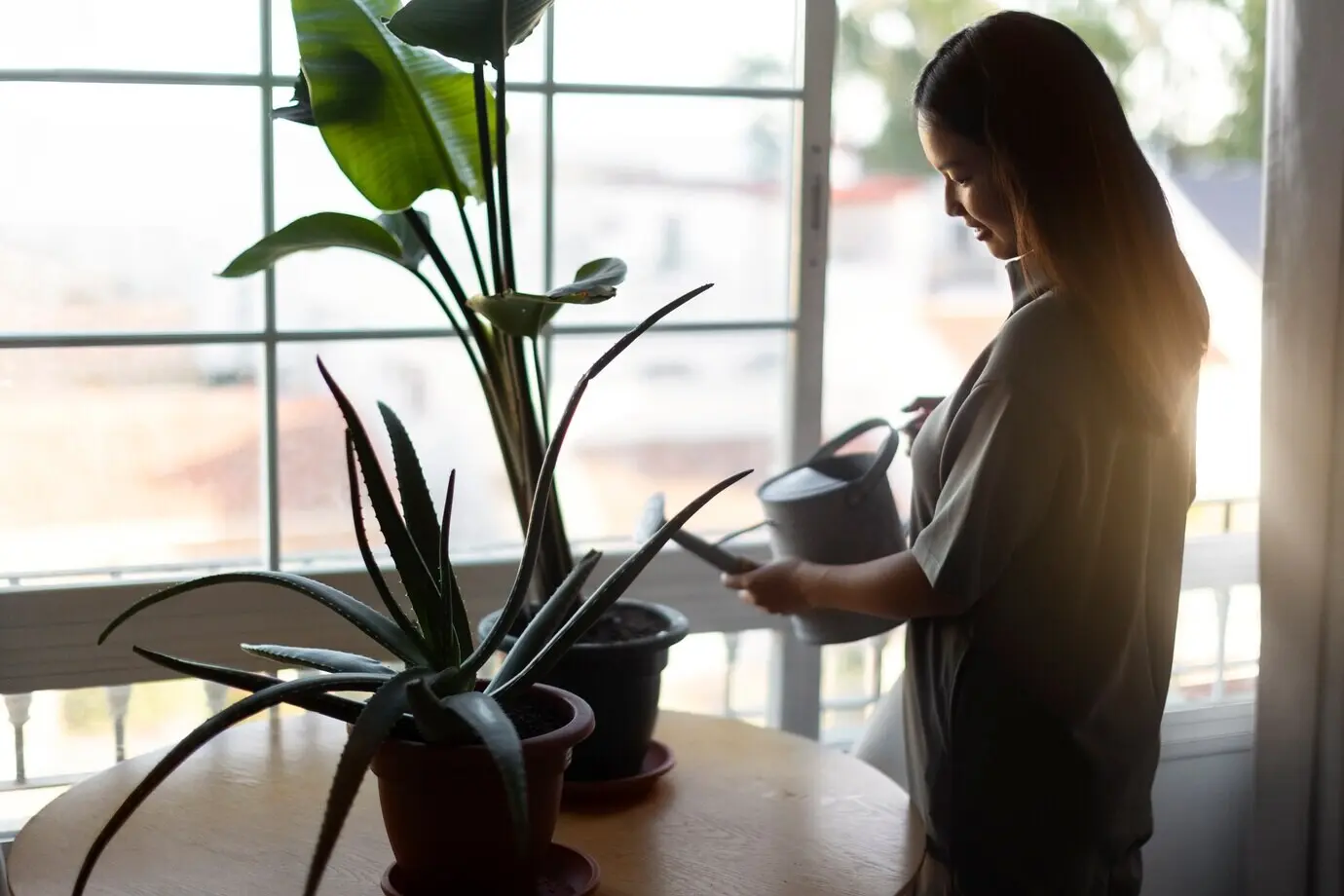
Even the most careful setup benefits from human kindness. A neighbor, friend, or sitter can verify moisture, rotate a pot, or simply open a curtain after a cloudy streak. Write clear, single‑page instructions with photos, bolded do‑nots, and emergency contacts. Place tools together in one tray. Gratitude pays forward—post your thank‑you ideas to encourage helpers everywhere.

Simple Instructions That Save Leaves

Use big fonts, plant nicknames, and numbered steps. Include a moisture meter key, sample photos of “ready to water,” and precise amounts like “half a cup” instead of vibes. Highlight fragile species in a colored box. Leave spare towels and a tray. When you return, celebrate the wins together and share your template link for others to adapt.
Emergency Plan and Photos

Weather surprises happen. Include a quick action list: move grouped plants to the cooler hallway during heat waves, open the north curtain after storms, and skip watering if soil stays cold. Add current photos with dates and arrowed notes. Keep your phone reachable. Later, debrief in the comments so our collective playbook grows stronger and kinder.
After-Trip Recovery Routine

Jet‑lagged plants rebound best with patience. Unpack, then check each pot’s weight, prune crisp edges, and water only those that truly need it. Reintroduce bright light gradually, and raise humidity before feeding again. Note what worked, archive photos, and improve labels. Share your recovery stories, because thoughtful returns complete every successful departure.
Tinalizatovipilivomufa
Privacy Overview

This website uses cookies so that we can provide you with the best user experience possible. Cookie information is stored in your browser and performs functions such as recognising you when you return to our website and helping our team to understand which sections of the website you find most interesting and useful.